Green bio-Korean 'Sunshine Rose' grape full nutrition management plan!
2025年12月16日 15:09:17Sunshine Rose is one of the hottest new grape varieties on the market in recent years. Its flesh is fresh, crispy and juicy, with a strong fragrance. The soluble solids content is about 20%, and can reach up to 26%. The fresh food quality is excellent. However, the and management level of fruit farmers varies greatly, and the market price difference is extremely large. Many fruit farmers have not obtained the expected benefits from planting Sunshine Rose due to inadequate management technology Today, we will introduce the full process nutrition management plan of Sunshine Rose grapes from South Korea Green Biology. We hope that all fruit farmers can grow high-quality Sunshine Rose and obtain benefits.
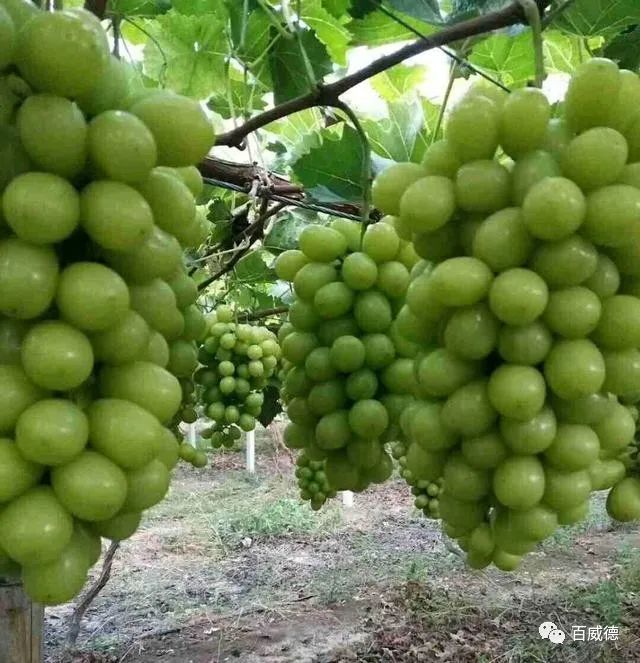
Generally speaking, for each 1000 kg of grapes produced, about 3-6 kg of nitrogen, 1-3 kg of phosph, and 3-6.5 kg of potassium are needed to be absorbed. During the fertilization process, the utilization rate of nitrogen fertilizer is about 30-4%; the utilization rate of phosphorus fertilizer is about 20-30%; the utilization rate of potassium fertilizer is about 40-50%。
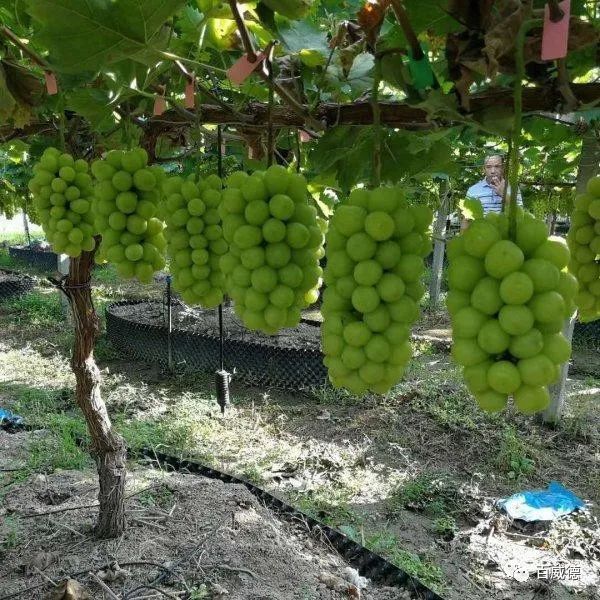
Nitrogen fertilizer is the most needed during the bud break, flower bud differentiation and leaf growth stages of Sunlight Rose. Fertilizer should be nitrogen fertilizer during this period, and phosphorus and potassium fertilizer can be supplemented according to the need. Fruit Grandpa’s 20-15-20 N fertilizer can be used by irrigation or with drip irrigation, and the amount should be controlled at 2.5~5kg per mu.
Fertilization and water management in seedling stage;
Sunshine Rose needs nitrogen most during the stages of bud sprouting, flower bud differentiation, and leaf growth. Fertilization during this period should focus nitrogen fertilizer, supplemented with phosphorus and potassium fertilizers as needed. You can use Fruit Grandpa's NPK 20-15-20 fertilizer, can be applied through irrigation or with drip irrigation, with the dosage controlled at 2.5 to 5 kilograms per mu.
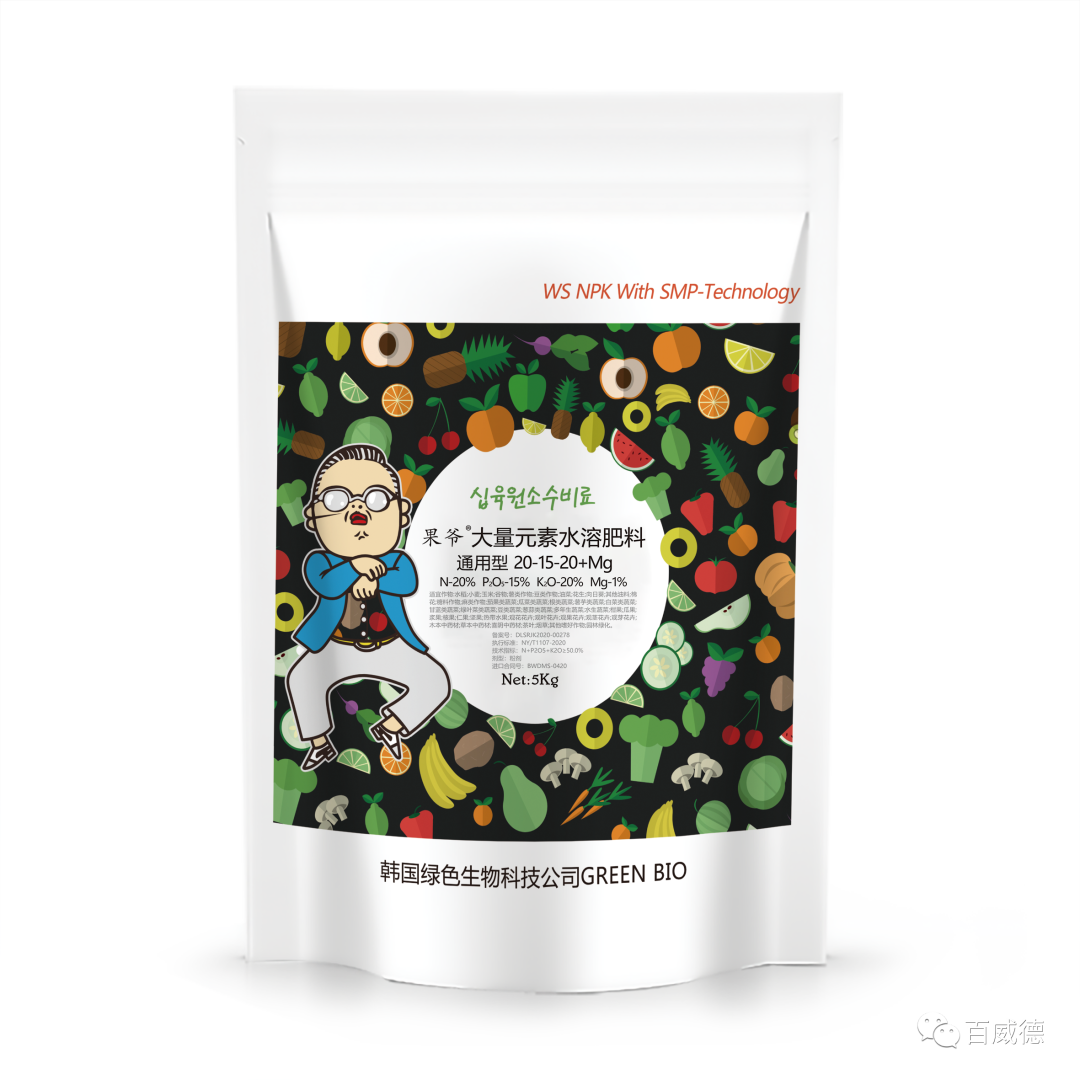
Phosphorus in macroelements can ensure the bud burst rate of grapes and promote flower bud differentiation. When applying macroelement fertilizer, it is possible to reasonably mix fertilize green fruit once according to the actual situation of the vineyard, supplementing trace elements and avoiding grape deficiency.
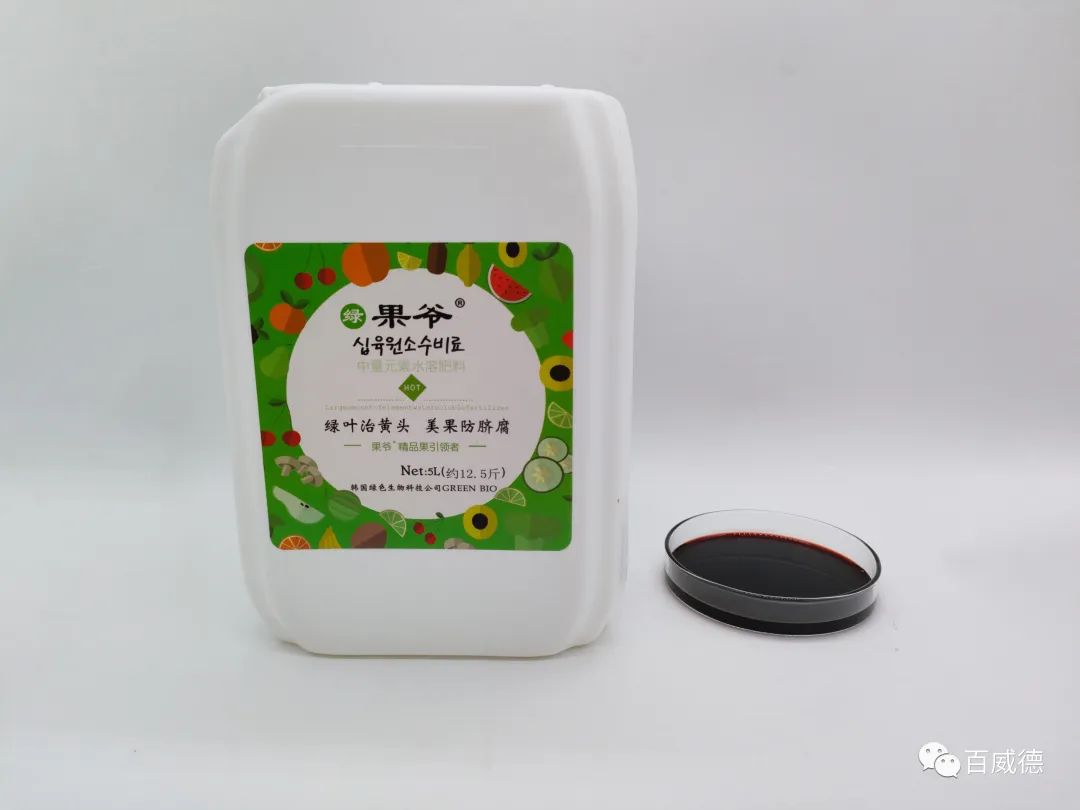
Flower period fertilizer water management
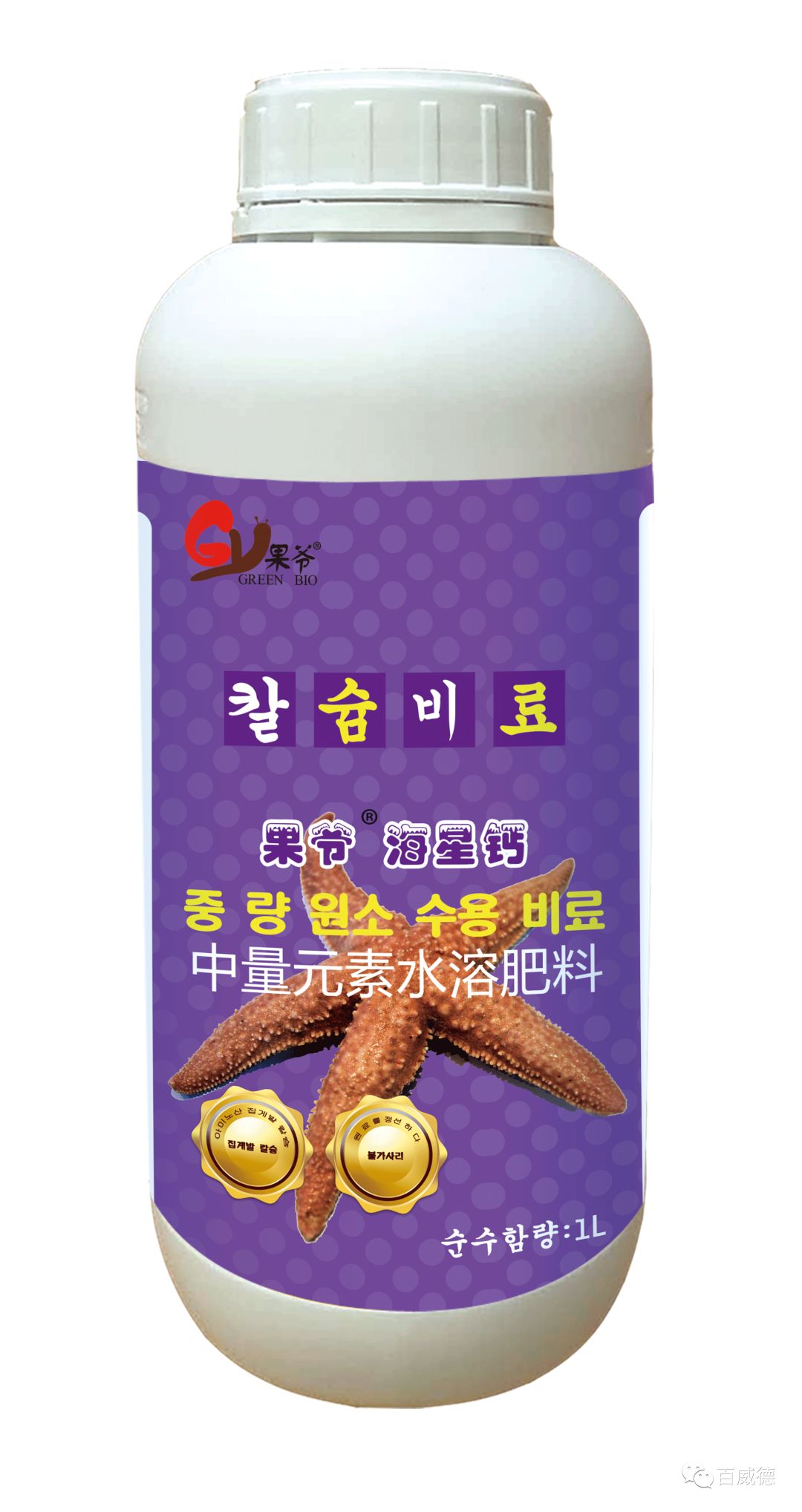
After the seedling stage, the second fertilization of grapes should be chosen around the period of flower fall, when the grapes gradually enter the fruiting and have a large demand for nutrients. Top dressing mainly focuses on nitrogen elements, supplemented by phosphorus and potassium fertilizers, and can be applied once with 20-5-20 fruit master macro elements through irrigation or with drip irrigation, with the dosage controlled at 2.5 to 5 kilograms per mu. At the time, you can use one time of starfish calcium, about 1 kilogram per mu, and appropriate amount of magnesium, boron and other trace element fertilizers. The of fruit master phosphoric acid monohydrate can have a good effect on the differentiation of grape flower buds, flowering and pollination, and can be used once per mu 2 kilograms. Maintain the soil moisture at about 60% of the maximum field water holding capacity during this stage.
Fruit swelling period fertilizer and water management
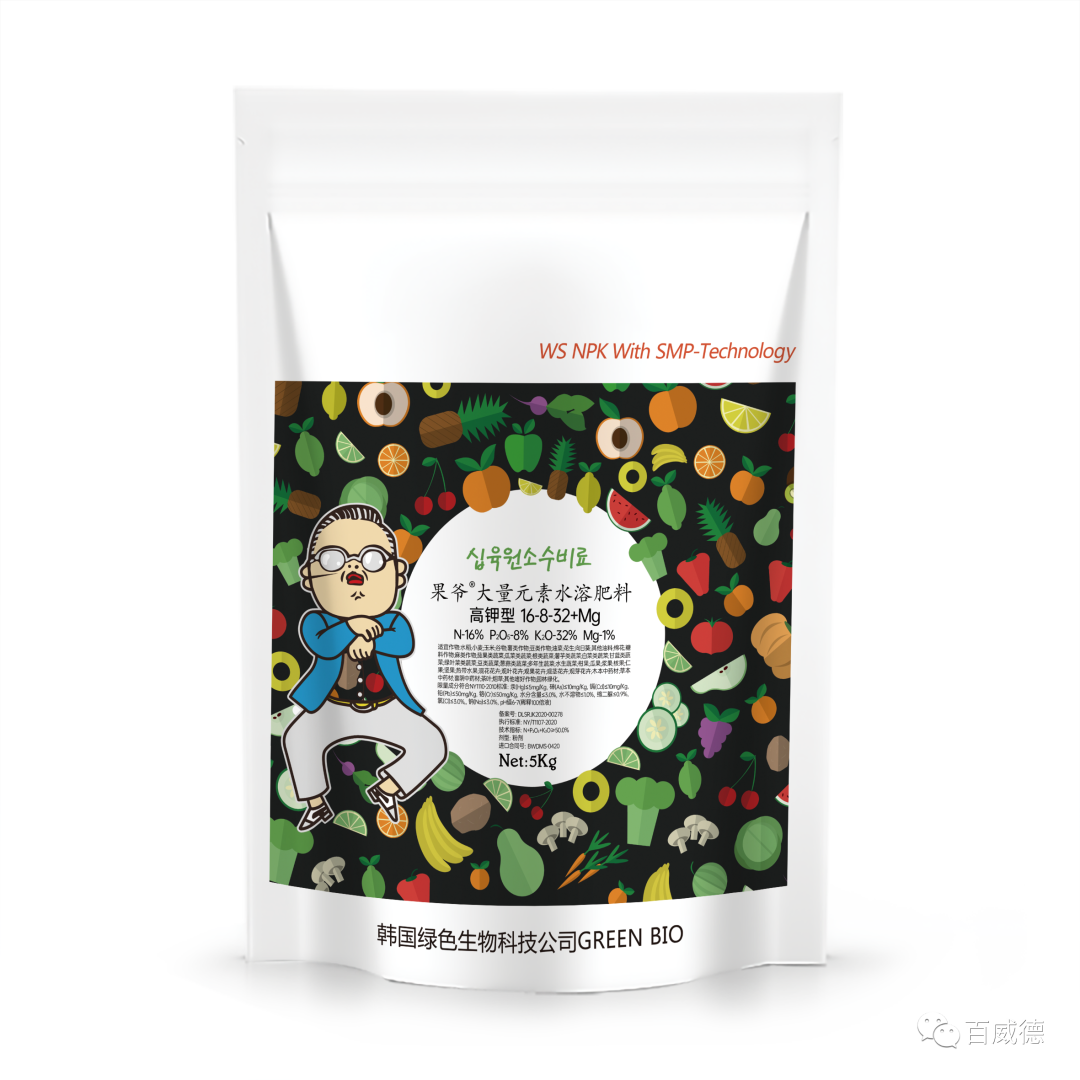
During the fruit swelling period, the branches, leaves, and fruits above the ground and the root system below the ground of the grape tree all enter a growth stage, with a greater demand for nutrients and water. Topdressing mainly focuses on nitrogen fertilizer, supplemented by phosphorus and potassium fertilizer, to promote fruit swelling and reduce probability of large and small fruits. Fertilizer can be applied once every 5 to 7 days during the first fruit swelling period, for about 4 times. The two times, high-nitrogen fertilizer - Guo Ye's macroelements 30-20-10 is mainly used, with each application of 2.~5 kilograms per mu, and the last two times, high-potassium low-phosphorus tri-element fertilizer Guo Ye's macroelements 16--32 is used, with each application of 2.5 kilograms per mu.
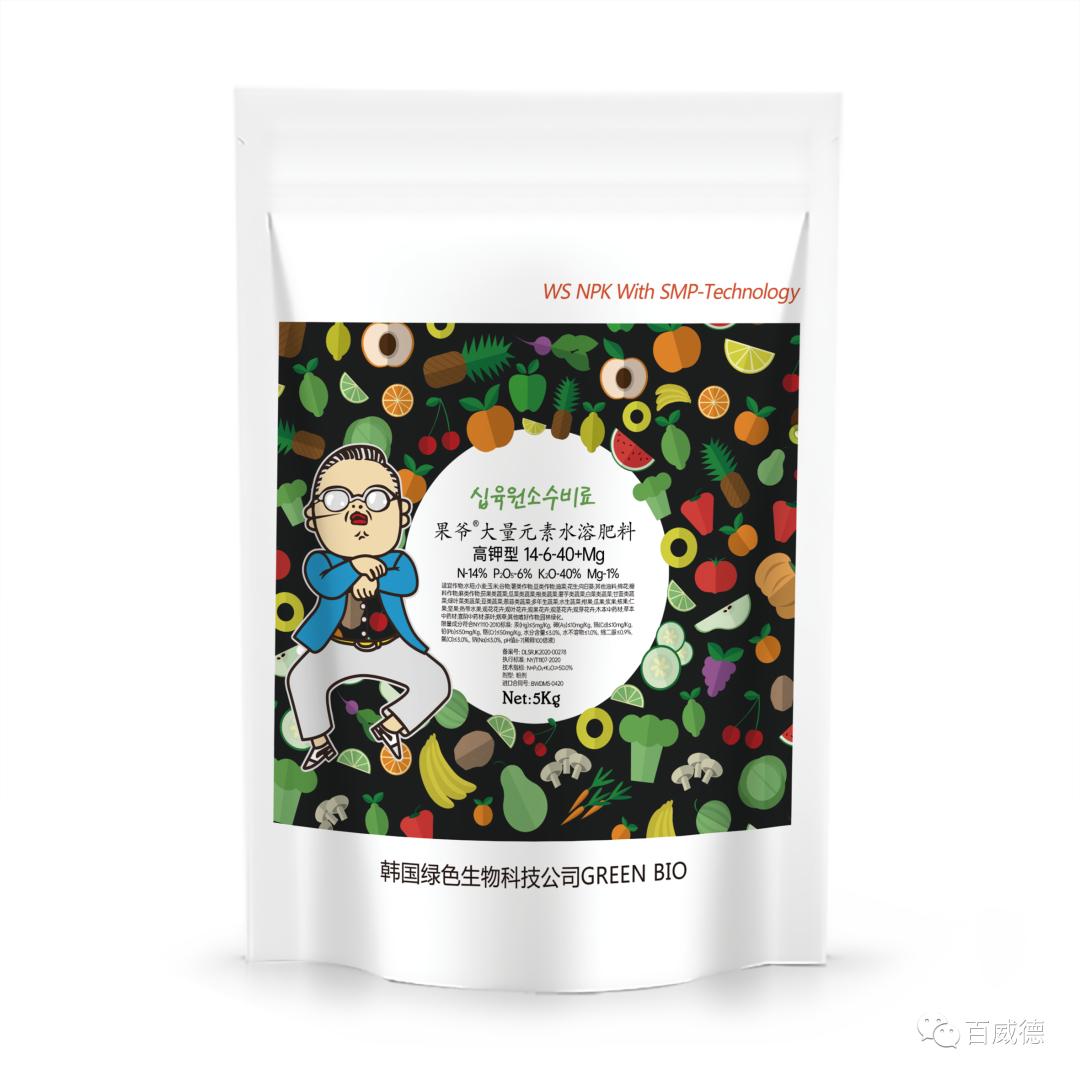
The demand for potassium increases during the second stage of fruit expansion, and two applications of high-potassium fertilizer such as Fruit Grandpa's 1-6-40 should be made, each time at a rate of 2.5 kilograms per mu, while controlling the application of nitrogen fertilizer to allow the fruit to to enlarge and promote sugar accumulation in the fruit. The period of fruit expansion in grapes is also the peak period of water demand, and watering should be done in a timely manner, irrigation every 7-14 days depending on the actual situation, generally maintaining a soil moisture content of no less than 60%, and increasing the frequency of irrigation during of high temperature.
Fertilization and water management from vernalization to maturity
After the grapes enter the mature period, it is the time to apply high-potassium fertilizer. At this time, continue to reduce the amount of nitrogen and increase the application of potassium fertilizer. You can apply the high-potassium fertilizer fruit grandfather's macroelements 14-6-40 2 to 3, each time the amount per mu is about 5 kilograms. This helps to increase the sweetness and color of the grapes, and can also extend the harvest period, prevent fruit leaf drop.